The Ultimate Room-by-Room Guide: How to Achieve a Cohesive and Stylish Interior Design
Introduction
Entering a well-designed home feels like reading a beautifully written novel where every chapter flows seamlessly into the next. However, many homeowners struggle with thematic fragmentation, where rooms feel isolated or discordant. Achieving a cohesive and stylish interior design is not about making every room look identical; it is about creating a visual narrative that links spaces through shared elements, balanced proportions, and a consistent atmosphere. This guide provides a professional roadmap to harmonizing your living environment, room by room, ensuring your home reflects a sophisticated and unified aesthetic.
The Core Principles of Cohesive Interior Design
Before diving into specific rooms, it is essential to understand the foundational elements that bridge the gap between individual spaces. These principles act as the 'thread' that sews your design together.
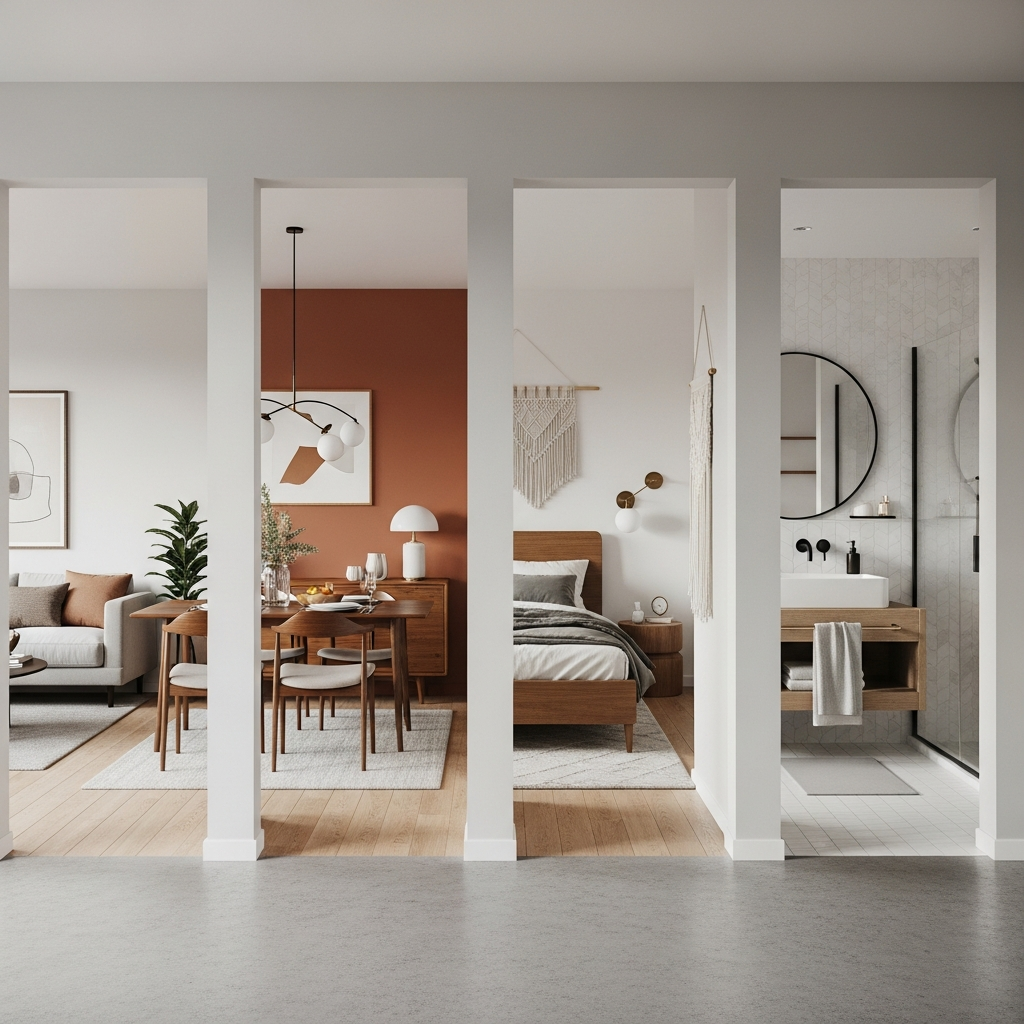
1. Establishing a Unified Color Palette
A cohesive home starts with a master color palette. This typically includes three to five core colors that are used in varying intensities throughout the house. A common technique is the 60-30-10 rule, applied not just to one room, but across the entire floor plan to maintain visual continuity.
2. Consistency in Materiality and Texture
Repeating specific materials—such as light oak flooring, brushed brass hardware, or marble surfaces—creates a sense of rhythm. If you use industrial elements in the kitchen, carrying subtle metal accents into the living room helps prevent a jarring transition.
3. Strategic Lighting Transitions
Lighting is often the most overlooked element of cohesion. While the fixtures themselves can vary, the color temperature (measured in Kelvins) should remain consistent. Mixing cool white light in one room with warm yellow in another disrupts the flow and alters the perception of your color palette.
Room-by-Room Strategy for a Stylish Home
The Living Room: Setting the Tone
As the primary social hub, the living room should establish the design language of your home. Focus on furniture scale and architectural alignment. If your living room features clean, mid-century modern lines, ensure that subsequent rooms don't pivot too sharply into heavy, ornate traditionalism. Use area rugs to define the space and introduce accent colors that will reappear in other rooms.
The Kitchen and Dining Area: Blending Functionality with Aesthetics
The kitchen is often the most expensive room to design, making its role in cohesion critical. To maintain flow:
- Cabinetry and Hardware: Align the style of your kitchen cabinets with built-ins in the living room.
- Countertops: If using natural stone, consider using remnants for a bathroom vanity or a dining room sideboard.
- Open Shelving: Style shelves with items that reflect the color palette of the adjacent dining area.
The Master Bedroom: A Sanctuary of Style
The bedroom should feel like a continuation of the home’s narrative but with a softer, more intimate execution. Maintain cohesion by using the same wood tones for the bed frame that are found in the living room flooring. Introduce luxury through textiles—linen, silk, or velvet—that echo the accent textures used in your common areas.
The Bathroom: Sophisticated Simplicity
A cohesive bathroom design often relies on shared finishes. If your kitchen features matte black faucets, carry that finish into the master bath. This creates a professional, custom-build feel that suggests every detail was intentionally planned.
The Home Office: Professionalism and Comfort
In a modern home, the office should not feel like an afterthought. Integrate the office into your home’s design by using a similar desk material to your dining table. Wall treatments, such as wainscoting or a specific paint shade from your master palette, can make this workspace feel integrated rather than isolated.
Practical Tips for Maintaining Flow Between Rooms
- The Flooring Rule: Try to use the same flooring throughout the main living areas to visually expand the space.
- Sightlines: Stand in one room and look into the next. Ensure the colors visible in the distance complement the room you are currently in.
- Art and Decor: Use similar framing styles for artwork across different rooms to create a gallery-like consistency.
Frequently Asked Questions (FAQ)
How do I mix different interior design styles without looking messy?
The key is the 80/20 rule. Devote 80% of your space to a primary style (e.g., Contemporary) and 20% to an accent style (e.g., Vintage). Use a consistent color palette to tie the two disparate styles together.
Can I have a different theme for my kid's bedroom?
While children's rooms can be more playful, you can maintain cohesion by keeping the flooring consistent or using a version of the home's main trim color and door hardware.
Does every room need to have the same wall color?
No. You can use different colors as long as they belong to the same tonal family or complement the master palette. Using a 'bridge' color—a neutral that appears in every room—is an effective way to vary hues without losing flow.
Conclusion
Achieving a cohesive and stylish interior design is a journey of intentionality. By focusing on a unified color palette, consistent materiality, and thoughtful transitions between rooms, you transform a collection of spaces into a harmonious home. Remember that cohesion does not mean repetition; it means creating a balanced dialogue between every room in your house. Start with a clear vision, respect the architectural lines of your space, and use this room-by-room guide to build a home that is as functional as it is aesthetically profound.


Komentar
Posting Komentar